Tuesday, September 19, 2017

That One Sunset

The last nest of barn swallows on our porch fledged just in time to meet up with the hordes gathering along the power lines for their trip south. They’re all gone now. Or so I thought. This morning five birds were back, darting around the now vacant nest and perching on the gutter like old times. One more spin around the neighborhood. One more look back at their childhood home. A bit of nostalgia, which is fitting for September. I feel it too.

The horses keep coming in from the pasture with wads of burrs in their mane and tail, so Mark sent me out with my pruners to find the renegade burdock plants. Sure enough quite a few were hiding under the trees and amongst the weeds along the canal. There was something so familiar about the wind and the cool and the pungent scent of plants after a rain. It’s the smell of maturity, of grass laid over, sagebrush in bloom and damp dirt. Just fall I suppose.

I saw three monarch caterpillars last week. “HURRY!” I admonished them. I’m afraid they won’t make it out of here because there's frost in the forecast by Thursday.

What a change of mindset fall brings! A flip-flop designed to get you to address those remaining outdoor chores before the weather drives us indoors.  

We vaccinated the calves pre-weaning. We gathered a large pasture, separated the cows from the calves and then put the youngsters through a portable chute we had set up on the range. It was the first time we’ve tried that and it didn’t work very well. Sometimes despite pre-planning and the best of intentions, the design just doesn’t flow and it’s a chore to put every animal through. I brought a sick calf down to the vet mid-morning, and when I returned, a one-and-half hour drive each way, the crew was finishing up the last 30 head and was totally spent.

We finished and unsaddled the horses to head home, only to find the cows escaping through an electric fence that wasn’t hot. Callie and I ran around them with the dogs and got them turned back without much trouble. Callie, fresh from the city and undaunted by the long day, was full of smiles and exclaimed over the beauty of the evening. I stopped and looked around and she was right. The sun was slanting behind the mountains, the cows were burying their faces in fresh feed, the dogs were happy to be let out of the trailer with a job to do, and we had the whole of the mountains to ourselves.

Seth caught the moment with a photo that I need to hold in my mind’s eye every day. As we head into fall cattle work, I’m not feeling very strong. I’ll be fine once we get in the flow, but I’m not looking forward to the cold mornings and I’m out of shape to be horseback. Oh, but wait, my friend H.W. made me a rawhide covered cushion for my saddle! I feel better already.  


Monday, September 4, 2017

A September Welcome

Since the total eclipse, I’ve been keeping my eye on the moon just in case it has any more shenanigans in store for us. It’s waxing its way to a full moon on the fifth. The Farmer’s Almanac calls it the “corn moon,” followed by the “hunter’s moon” of October, the “beaver moon” in November (when the pelts were ready), and the “long nights moon” of December.

I have always loved the Native American names for the full moon. What would we name our moons today? September might be the “back-to-school moon” and October the “trick-or-treat moon.” November would definitely be the “turkey moon,” followed by the “shopping days moon” of December and the “super bowl moon” in January. That’s how far away we are from the natural world.

Until, of course, events like the wildfires on the Great Plains this spring, the forest fires of the West this summer, or Hurricane Harvey on the Gulf Coast slam us to attention.

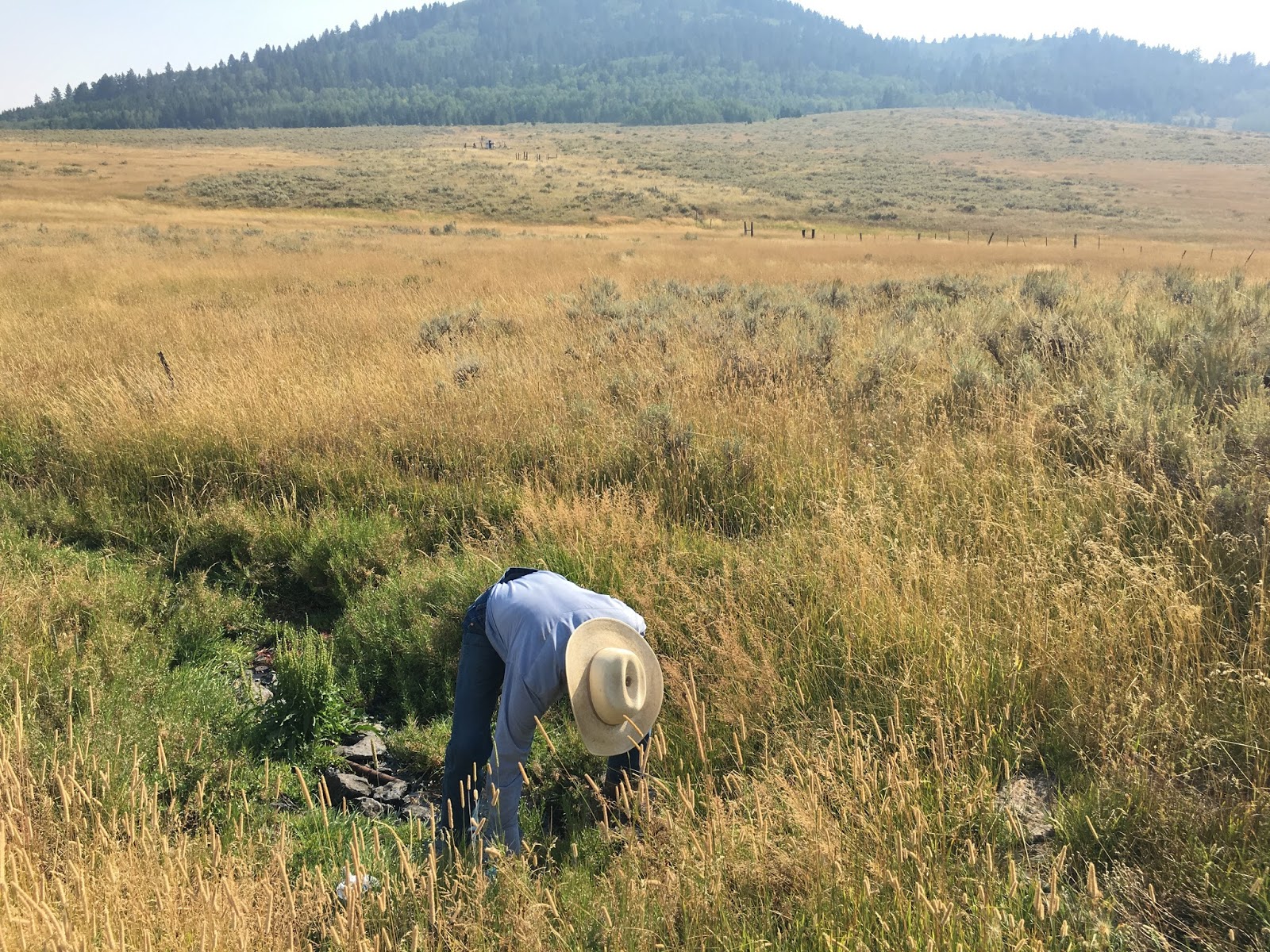
Mark and I spent a day at the farthest reaches of the ranch fixing fence and checking water. It was just like I like it: a picnic in a rundown homesteader’s cabin, a good workout moving rocks to repair a wash-out, then mostly just riding the 4-wheeler around looking at grass, getting a drink at the spring, a little fencing, and then a nap before heading back home.

I’ve done the domesticity thing too, canning pickles from the garden and making applesauce and apple pie filling from the transparent tree in the horse pasture. When I was picking apples I felt like my Uncle Doug who used to hide in the limbs and throw apples at us as we walked home from school. When I processed the apples and the cucumbers I felt like my Mom. I used her recipes and was happy to see that she had the vinegar/water ratio written down for from one to seven quarts, however many cukes you had ready in the garden. 

She preserved food effortlessly, or so it seemed. For me, canning takes me all day and it’s haphazard with a hurried-up trip to town for more lids or needed ingredients. And when I’m finished, usually after dark, I still have to clean up all the pans and the sticky floor. But oh, the click of a jar as it seals when the kitchen is clean and the jars are lined up on the counter!

I took a day to go to the hills with my cousin to change water at her mountain pasture and see her cows. We spent a lot of time together as kids, but haven’t taken advantage of the fact that we both have our families raised, she’s retired, and now we can enjoy a drive to the mountains we both love. We stopped on the way home to weave clematis wreaths from the vines that grow along the fence lines. Such fun. Her text when we returned home said it right: “laughter is such good therapy!”

She left some fresh sweet corn on our porch the next day. Just one of the many gifts of September. And just in time for the corn moon. 

wild clematis makes a lovely wreath


dipping a drink from the spring


the Lone Fir Ranch

Saturday, August 26, 2017

The Day(s) after Totality

In 1918 a total eclipse visited Idaho, and the path of totality was just a few miles south of our own 2017 phenomenon. My Great Grandmother Just wrote about it in her diary. The family had traveled to be with friends for the occasion. The eclipse arrived late in the day. She wrote simply: “A jolly time, all were so happy.”

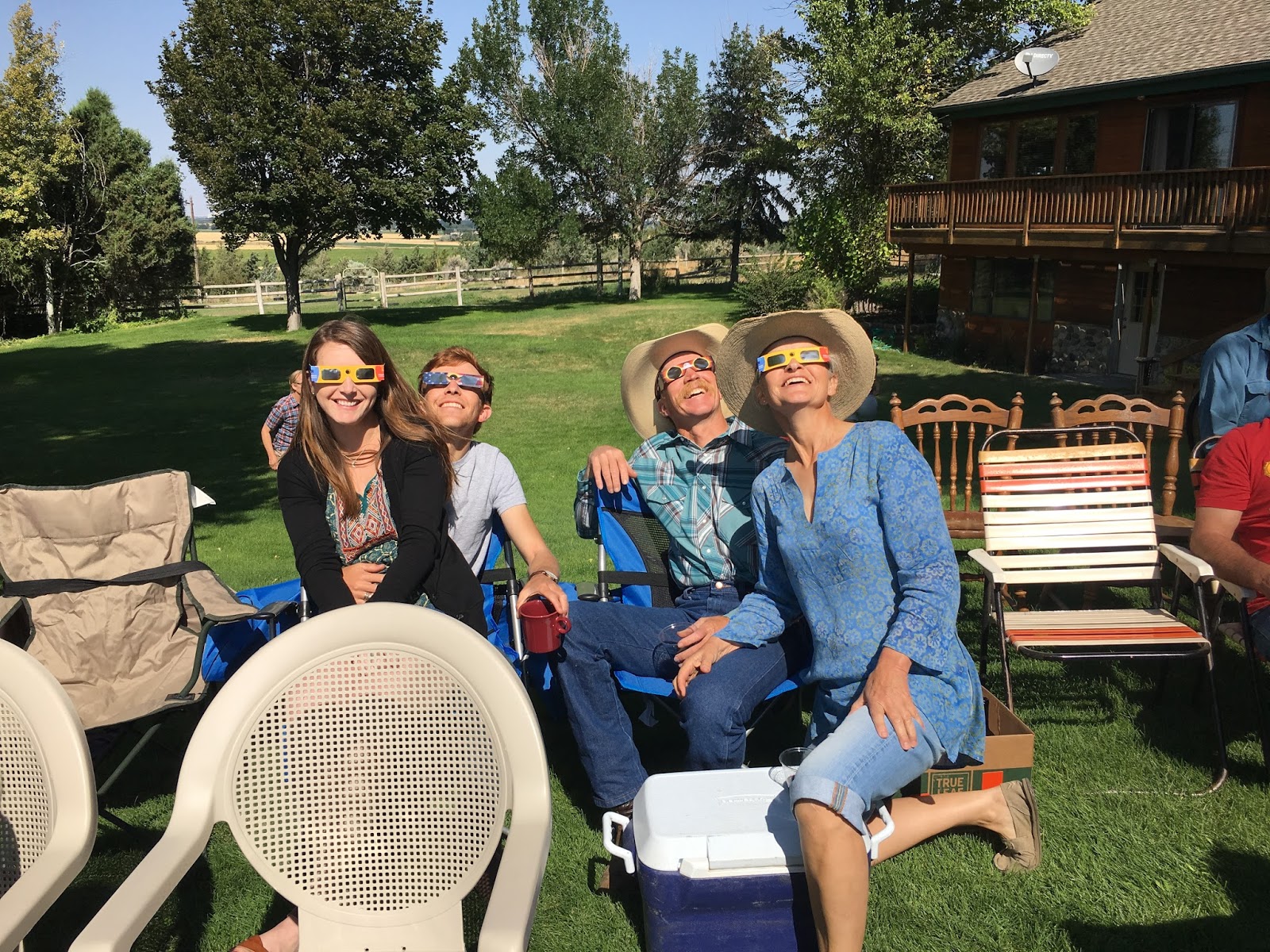
That’s a fine description for our 2017 experience as well. Nearly 100 years later we gathered at my cousin’s house which has a good view of the mountains and the Snake River Valley below. It was a festive atmosphere. As we waited and watched, I ran in and out of the house tending my crock-pot potatoes, losing my eclipse glasses often, only to pick up random pairs that were lying about for just such an emergency.

As the time neared, we saw that the dappled light coming through the trees had turned into a sprinkling of crescents. The light turned the color of honey, the air cool. We put sweaters on over our summer clothes. At seven minutes to totality my sun-sensitive glasses went clear. And along the horizon behind us a “storm” of violet-grey appeared.

As the slide to totality commenced, I couldn’t sit still and climbed over the fence to the horse pasture. Seth and Leah followed. Then we were caught up in the wonder of it. The moment our glasses went black, we threw them off to see the moon surrounded by a halo of light. Totality is a 360 degree experience. Stars appeared and we threw up our arms and turned in circles and cried and whooped. I agree with someone who called it a “primeval thrill.” It was grand!

Then, oh so quickly and much too soon, the “diamond ring” appeared as the sun gleamed out on the opposite side, and within seconds the impalpable half-light was back and the lunar march across the sun continued.  

We immediately felt a kinship with those around us who had experienced the thrill as well. We shared the day with family and with strangers from Minnesota who had been planning the trip for three years and by chance ended up in Idaho.They were delighted to have found the perfect hillside for viewing the excitement. We’ll never see them again, but we are strangers no more.

When we returned home, an unexpected line of traffic, no doubt helped by Google Maps, sped past the ranch on our own country road in an attempt to bypass the interstate and highway.

That evening I lingered outside at dusk to see if the rays of the setting sun resembled those of the eclipse. Was it this dark, I wondered? How about now? But day by day, nature doesn’t replicate the ethereal light of a total eclipse.

Some called it God’s handiwork. I can buy that, but let’s not forget the lowly human scientists who predicted the eclipse to the minutiae of detail. It’s science that figured out the moon is 400 times smaller than the sun. And the curious fact that it is 400 times closer to us, which means the two orbs are the same size when viewed from Earth as their masses overlap.   

I can only imagine Grandma Emma’s eclipse experience. They did have "solar" eyeglasses in 1918 and smoked glass for viewing, but who knows if the aids made it to rural Idaho. I do know they didn’t get home until 11:30 pm that night so would have traveled home in the dark, perhaps by buggy. And surely with a newfound sense of awe. She also said they used their first ice of the season on that warm June day. Cut from the river during the winter and stored in the ice house, then brought out for just such a celebration. Imagine!

Since the eclipse, I have been appreciating our dawns and dusks anew. Our planet spins on its axis to create day and night. It orbits the sun to create the seasons. And all around us an incredible diversity of life has evolved in sync with those cycles. Bats and owls and nighthawks soar in the darkness. Nocturnal mammals, the raccoon, badger and cougar prowl, as we homo sapiens on an opposite cycle, sleep. And seasonally, grasses drop seed and go dormant, squirrels and bears hibernate, insects burrow, and songbirds and whales migrate. Let’s not forget this feeling of majesty and mystery we were lucky enough to witness, and step back in honor of a solar system that makes it all possible.   


Wednesday, August 16, 2017

Heads up for Fall

The change is upon us. I only cracked one window last night and it was sweater weather yesterday. Oh, the deliciousness of it.

We woke to a bank of mist that moved across the pasture in front of our house before it dissipated as the sun rose. Mark said it was a sure sign of fall. I heard the word "rhapsodic" today. I don’t remember how it was used, but I can think of no better term for this full-up time of year.  

Anna visited for the weekend and I sent her home with a care package of green beans, beets and little red potatoes. August is good garden fun. The taste of a fresh-from-the-garden vegetable is exquisite, but it’s also the texture. I asked Mark to describe it, but I answered for him as usual! The adjectives that come to mind - creamy, buttery - soft but not mushy, firm but not tough, perfectly tender.

I picked my second batch of beans for canning this morning. I had to lift the renegade cucumber vines off the bean plants to get to the fruit (or vegetable as it were). This time of year we always quote Midwestern humorist, Garrison Keillor, who describes an overgrown garden as x-rated. “Lots of lewd groping going on out there!”

As I picked beans, the bees were loving the cilantro, overgrown now and blossoming. I thought to myself that if everyone had a garden they would understand why we need to let plants express themselves in order to feed bees. We would also know why farm labor is different than non-farm labor and should be flexible in regards to overtime and piecework pay. Harvest must be timely because vegetables and fruit are ready in a very narrow window and quickly out run their prime eating quality.

So many lessons to be learned between the rows of a garden.

Mark made some kids happy at the local 4-H fair by purchasing a lamb and a hog which will be processed at the local butcher shop. I gave them my cutting instructions for the pork yesterday: “four chops to a package and leave the fat on.” Things are shaping up for winter. 

We shipped the last of the heifers to Oregon for finishing. They’ve been grazing the home place all summer. Mark has been moving electric fence around to make our pastures smaller and allow for better utilization of forage and longer recovery periods for the grass. Additionally, when cattle are confined to a small area they feel competitive with one another and consume weeds better. I like to follow them around taking pictures of different “treatments.”

The plant life, both grass and weeds in some cases, bounces back after a quick graze. Pulsing roots and taking carbon from the atmosphere is engaging stuff. Just doing our part for climate change.
Who knew cows were like most of us and our endeavors, we can be part of the problem or part of the solution depending on HOW we do it.  

Kate loves coming upon irrigation water when moving cattle


goal is every plant bitten or trampled
lots of residual


headed back to grad school

Tuesday, August 1, 2017

July Notebook

The first week of August is the beginning of the end of summer. July cruises along, day after hot and sweaty day, with no end in sight. Then, all of a sudden, it’s August, and the morning air has a new snap to it and you know summer is winding down.

We’re sleeping in the cool of the basement. We sleep in the green room, which was Callie's bedroom and then Anna's. There’s a window just above our heads and we listen to the crickets and feel the cool night air. It’s a mini-getaway that we retreat to each evening.

Mark and I took a day to ride through the Portneuf Wildlife Management Area. What a change to load the horses, drive on the interstate, have lunch in town, and then unload the horses - with no cows in sight! We’re always interested in what “rested” from domestic grazers looks like. If you look across the grass, it appears tall and abundant. If you look down you see a scant stand, old grass from years past, and too much bare ground. We talked about whether it could be improved by strategic grazing. It’s steep and water would be a challenge, but it would be fun to try. One thing is for sure, even rested land has weeds.

Considering all the bottom land we humans have taken from wintering wildlife, it's good to know this 3,000+ acres is reserved for them. I'm glad Idaho Fish and Game had the means to acquire it.     

The garden has exploded. Every year I tell Mark my garden is kind of sad. His response is, “yeah, you always say that and it always turns out.” And he’s right. By August the rows are growing on top of each other and we can’t keep up with the vegetables. I love ignoring the produce section of the supermarket - except for the blueberries and melons, of course.

I’ve been doing battle with barn swallows over who’s in charge of our front porch. We watched them fledge their first five babies from a nest right over the front door, which we enjoyed. I cleaned that all up and thought that was the end of it, but no! We then had a week-long power tussle when they wanted to re-nest. First I put up a big ladder and a mop with a hat on it stuck on top. When that didn't work I anchored grocery sacks to the beams. Then a colorful kite with a long tail. I finally compromised - or got tired - and let them use the south-facing crosspiece where the mess they made would end up in the bushes. Talk about determined!

We had a good morning collecting blood samples from the heifers with help from my sister Becky, a retired vet technician. We started at 6:00 am and were done by 9:30, so avoided the heat. We sent the samples to my niece who has a home-based lab in Emmett, Sage Labs, for analysis. Seth took the morning off to help us as well, so it was a family affair all the way around. Sage sent the results today and now we know who’s pregnant and who’s not and can make marketing decisions based on that information. 

July is good for lots of things. The calves are blooming. The garden is bearing. It’s the only full month I paint my toenails and wear shorts. I hate to see it slip away. 

the mesh cover provides organic pest control - and beauty - after sprinkling

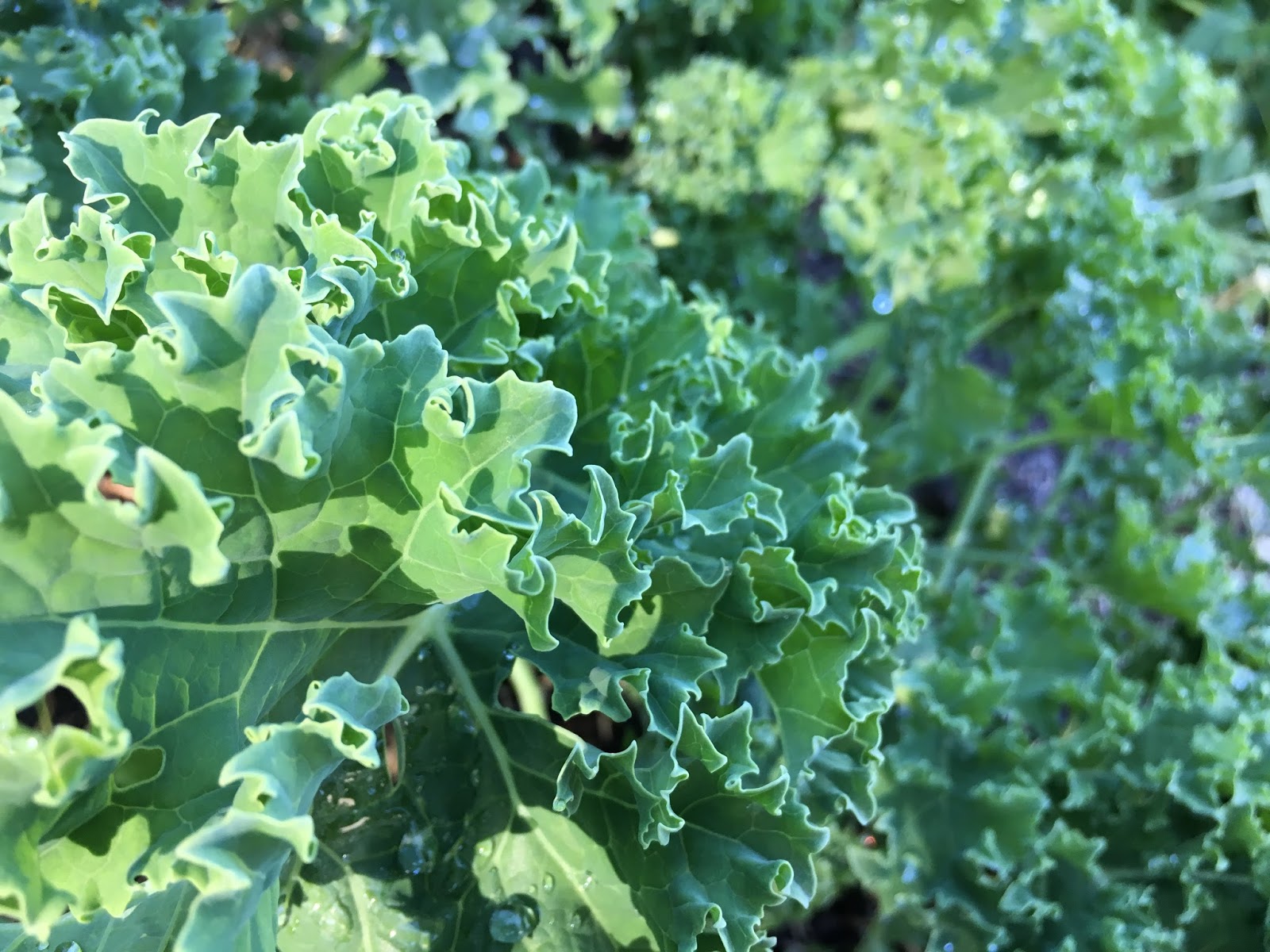
kale


for sitting of an evening in July 


 Wildlife Management Area 


musk thistle
it looks like the rest of the county


a good crew


grass in the mountains
checking to see if the fence is hot

Tuesday, July 18, 2017

Sly

We’ve been hauling hay. The first days were hot, miserable and sticky. The final day was perfect, with wonderful clouds rolling by and a brisk breeze. It felt almost cool. Mark called it a vacation.

We haul hay to the stackyard in hot air, and haul it back to the cows in cold air. Ranching is nothing if not living in extremes.     

I’m on a cleaning and organizing jag. I hit my pantry then went on to bigger projects. I’ve made attempts at grandpa’s big steel shop in the past, but finally made some real headway last week. And I got help! It was grand: Seth was sweeping, Mark was running the Hotsy on his horse trailer, Amy was cleaning grease guns and Alan was hauling the mega sorting bin out of doors to clean it up. I know there’s a ton of other stuff that needs done, but creating a clean and organized work space sure feels good.    

Our veteran Sly spent a few days with long time family friends who needed a gentle horse for their grandson to ride. Max is only three and fell in love with Sly when his Mom brought him up for an afternoon ride while we were moving cattle two springs ago. Anita got some good photos of the two of them. Look at the expression on Max's face!

Sly is a one-in-a-million horse. Mark would just as soon saddle him up for any job he has in mind, but knows the other horses in our remuda need the experienceSly is as “cowy” as any of them, but he’s also just lazy enough to be “dog gentle” and can tend the most inexperienced rider. He’s big and tall and has a long lumbering stride. He’s a looker too, with horseshow-quality confirmation and should be on the cover of Quarter Horse magazine.

We got him when he was six years old. He was so spoiled that when he got tired of hauling someone around, he would drop to his knees and try to roll! Mark got him over that in a hurry. Our kids 4-H’d on him. He squared up nicely in halter class, but didn’t lead very well. The kids would pull and he would stretch his neck waaaay out before moving his feet ahead. His gentle way kept them safe, and his disposition taught the kids to be active riders, cuing correctly with determination or he would fall asleep!

Sly is getting up in years. We’re not sure what we’ll do without him. Besides Max, he also tended Clara and Clancy, my neice and nephew, on their cattle drive, and sponsored a couple of out-of-town visitors this year as well. Ash from England and Bud from upstate New York got along well with Sly. And today Mark loaded him up to carry a rider on the Governor’s Trail Ride. The call went out for “bomb proof” horses and Sly fits the bill.

I still remember the feeling that winter day when Anna was a little girl and we needed to gather the Brush Creek field. We legged her up on Sly and away we went, knowing he would take good care of her. He’ll go down in the ranch history book as one of the greats.    


one happy kid


he makes a pretty picture

Saturday, July 1, 2017

Always Something

My Great Aunt Elsie said it: “There’s always something to take the joy out of living.” I never knew her, but my Mom repeated the saying quite often. I don’t think she was referring to the really big tragedies, death, divorce, disability, but common place miseries, a leaky roof, a failed crop, a body’s aches and pains - and weeds. For Mom and Dad, it was their twin nemeses, quack grass and gophers. Mom was a fastidious gardener and quack was always lurking at her shoulder, ready to invade her beauty spots. Dad was a farmer and rancher, so gopher hills in the hay crop were a constant annoyance.

Mark cusses gophers and I battle quack grass, but their threats pale compared to the hardy invasives pounding on the door to our ranch in the twenty-first century. Houndstongue, burdock, puncturevine, knapweed and musk thistle top our list.  

I picked up 1,000 tiny gall wasps from the local weed supervisor to put on Russian knapweed. The bug isn’t proven yet, but the hope is that it weakens the weed allowing other plants to compete and bring balance back into an ecosystem. The fly lays eggs on the plant, and a gall forms around the larvae. It’s not a quick fix, but offers hope over time.

So we’ve added biocontrol to our list of weapons: mowing, spraying, cutting with a shovel, grazing, mulching, and, I might add, coexisting, which in the end might be our only option.

We visited our mountain property to cut houndstongue and check fences. The diversity of life made me so happy! Butterflies flitting about and a constant hum of insects greeted us. Golden cinquefoil and pink veined sticky geranium dominate the wildflower scene with lupine, potentilla, buckwheat, and the delicate violets and blues of penstemon rounding out the colorful meadows and sagebrush uplands.

A nighthawk screeched above us, dive bombing and booming for our benefit. We found a nest of baby doves and lay spots in the deep grass where deer had spent time. We saw a dozen cow elk and their calves. And the morning was filled with birdsong. A wren had nested under the eve of the cabin and we watched a tree swallow sort through debris to shore up his nest.     

And the grass! Mark said he’d roll in it if his nose could stand it.

So, yes, we cut a million houndstongue burrs, but we soaked in all the rest of it. All the strange and wonderful organisms that call our mountain ground home.

It’s kind of like this blog. I look over and past the messy parts, to see the joy in the expanse around me. Or move aside an annoyance and look really close, to the delicate folds of a penstemon blossom.   

And Mark? He’s a guy and all about cows. He gets excited about wildlife and can spot houndstongue almost as good as me, but he kept saying over and over, “have I told you how happy I am that the fence is hot?”  

Mark found the mourning doves


sticky geranium, buckwheat and lupine 


gall wasp flies 


the villainous Russian knapweed